
Poinsettia Care & Facts
December 10, 2025
This is a subtitle for your new post
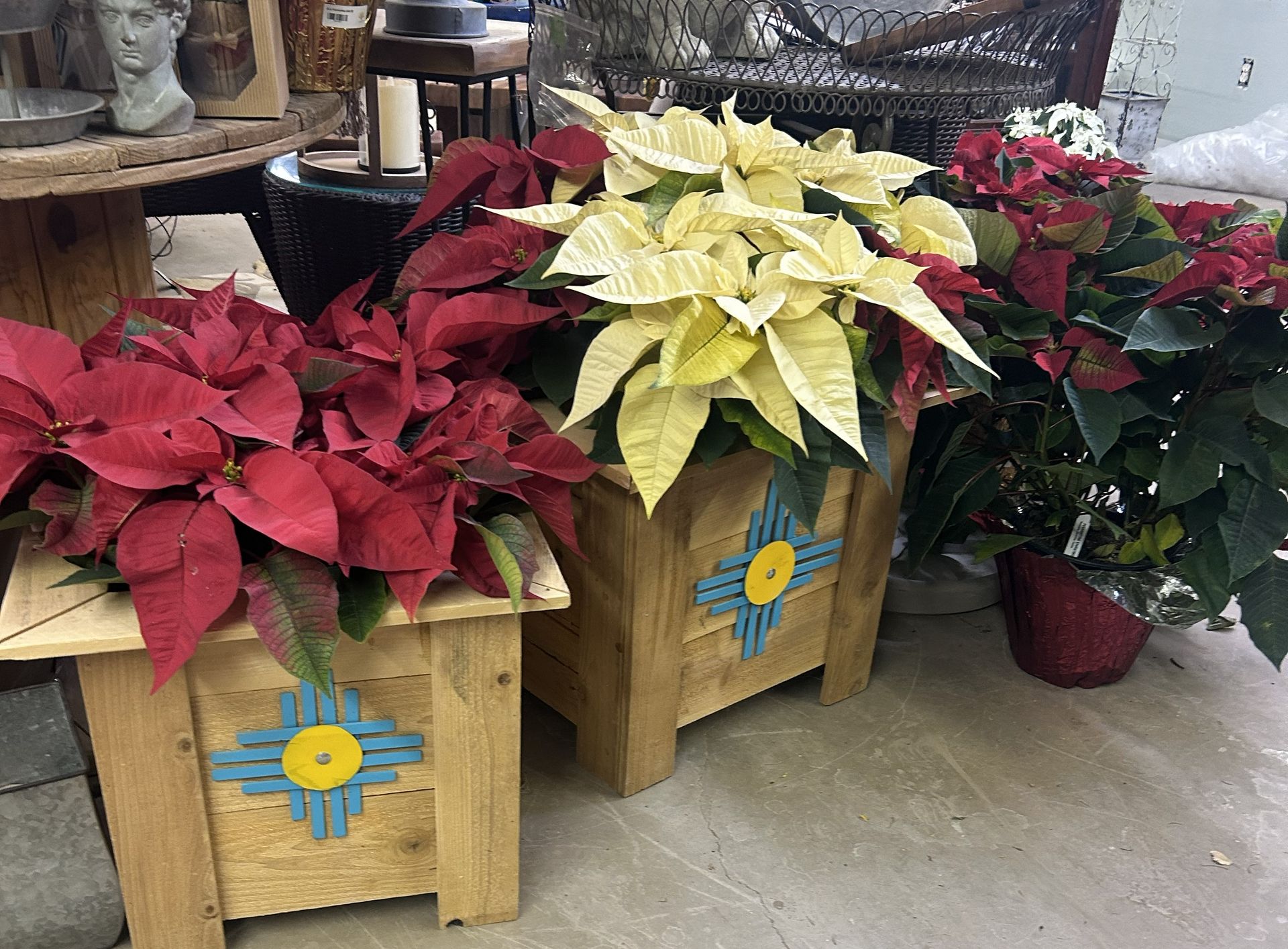
PLANT CARE
POINSETTIAS
- Light requirements 6 hrs bright indirect light
- Soil: Well drained regular potting mix
- Water: As needed, let top dry out slightly
- Drainage: Does not like to sit in water, make sure and dump excess water from saucer or foil after watering
- Temperatures: At Christmas time: keep inside and away from drafts or heater vents.
- Spring to fall: it can tolerate between 40-100 degrees.
- Pests: They can be vulnerable to certain pests in particular whitefly. Monitor closely and consider using a systemic insecticide for prevention.
- Fertilizer: A good well balanced fertilizer like 10-10-10 or 20-20-20 is good.
Facts about Poinsettias
- Native to Mexico grows well outdoors in zone 9-10
- Its native Aztec name is Cuetlaxochitl (pronounced kwet-la-sho-she)
- Blooms are small and yellow, what we see are colored leaves
- In the spurge family, has a white latex sap that comes out when leaves are damaged or stem is broken
- They are toxic but not poisonous to animals and humans. Their sap can be irritating and cause red marks but isn’t fatal. Link to poison control article.
- Many colors have been developed, from red, white, yellow, peach, pink and speckled variations of those.
Year round care:
- You don’t have to throw them out after Christmas, they can live in your houses and will enjoy your porch over the spring summer and fall. .
- Repot after Christmas: Putting into a slightly larger pot after Christmas can help give them the nutrients to grow o the next size. Any regular potting mix will work, stems may break easily so wear gloves if you are concerned about sap irritating your skin. If a limb breaks off the plant won’t die.
- Pinching. Pinching out the growth tip will encourage more branching and result in a more compact plant.
- Water regularly throughout the summer and fall.
- October: Start putting in a dark room or closet at night for 12-14 hours to get bracts to turn color before the holidays. Make sure it is complete darkness not even a nightlight.
Tips
Leaves can curl and dry up, don’t panic! They tend to lose a few leaves as they are moved. It’s normal even for the growers.
The branches are a bit fragile and sometimes you notice a whole stem wilted, most likely it was broken during transportation, simply snap that limb off and discard. It doesn’t mean your whole plant is dying.
The branches will live in water like a cut flower as well if it is still in good condition, enjoy it in a vase.
Consider a Princietta variety they have smaller leaves but are a much hardier version of the poinsettia and seem to have less insect and other problems.
For more in depth information here are some articles from trusted sources:
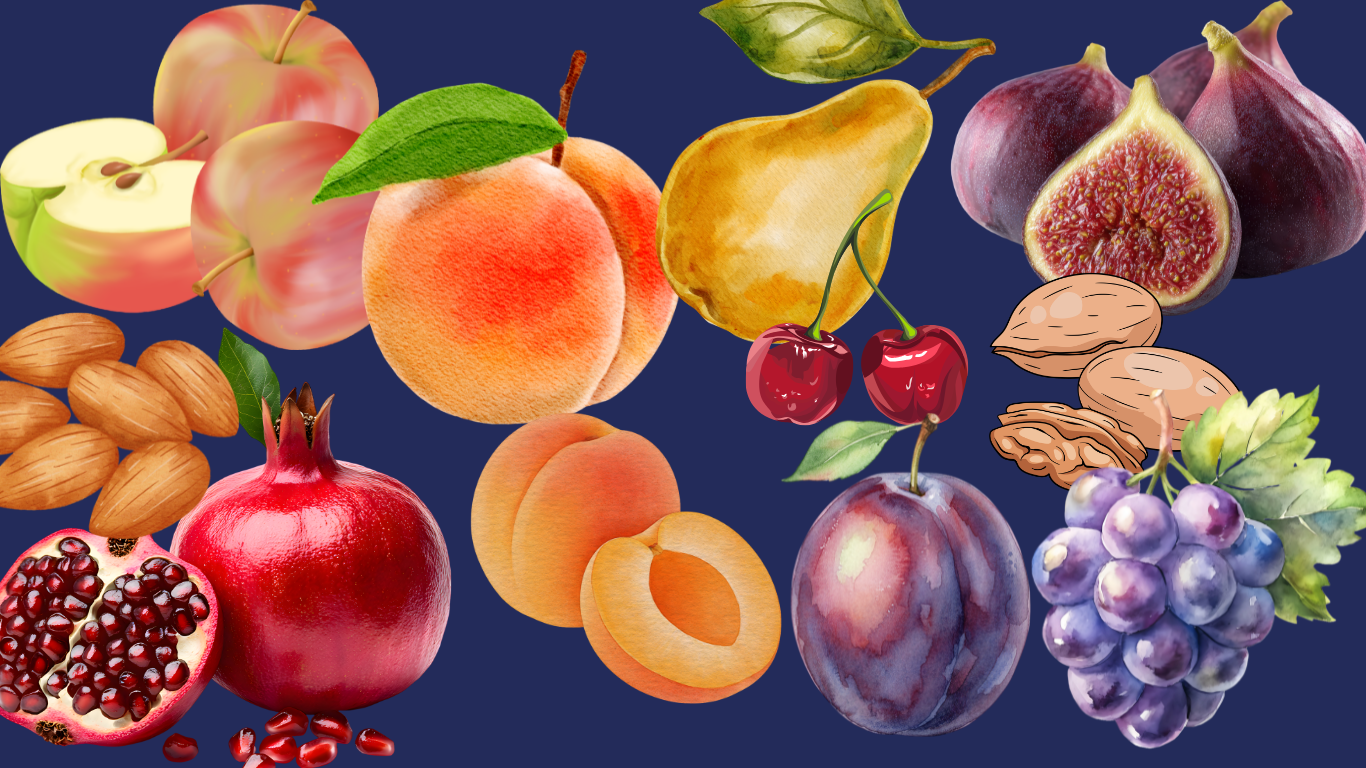
We often get asked what kind of fruit trees we carry. Here is a list.
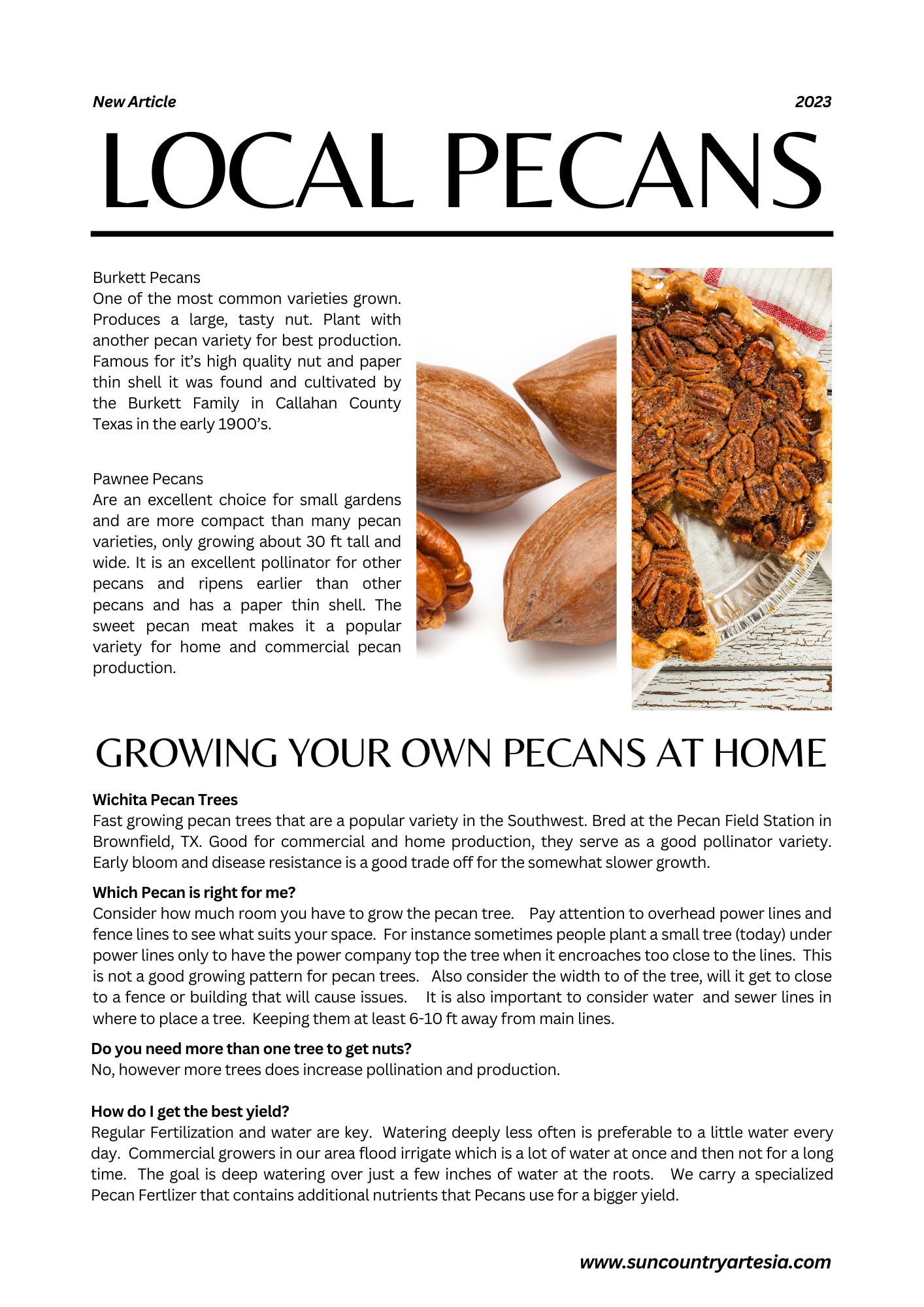
Local Pecans: Where to buy and what kind to purchase
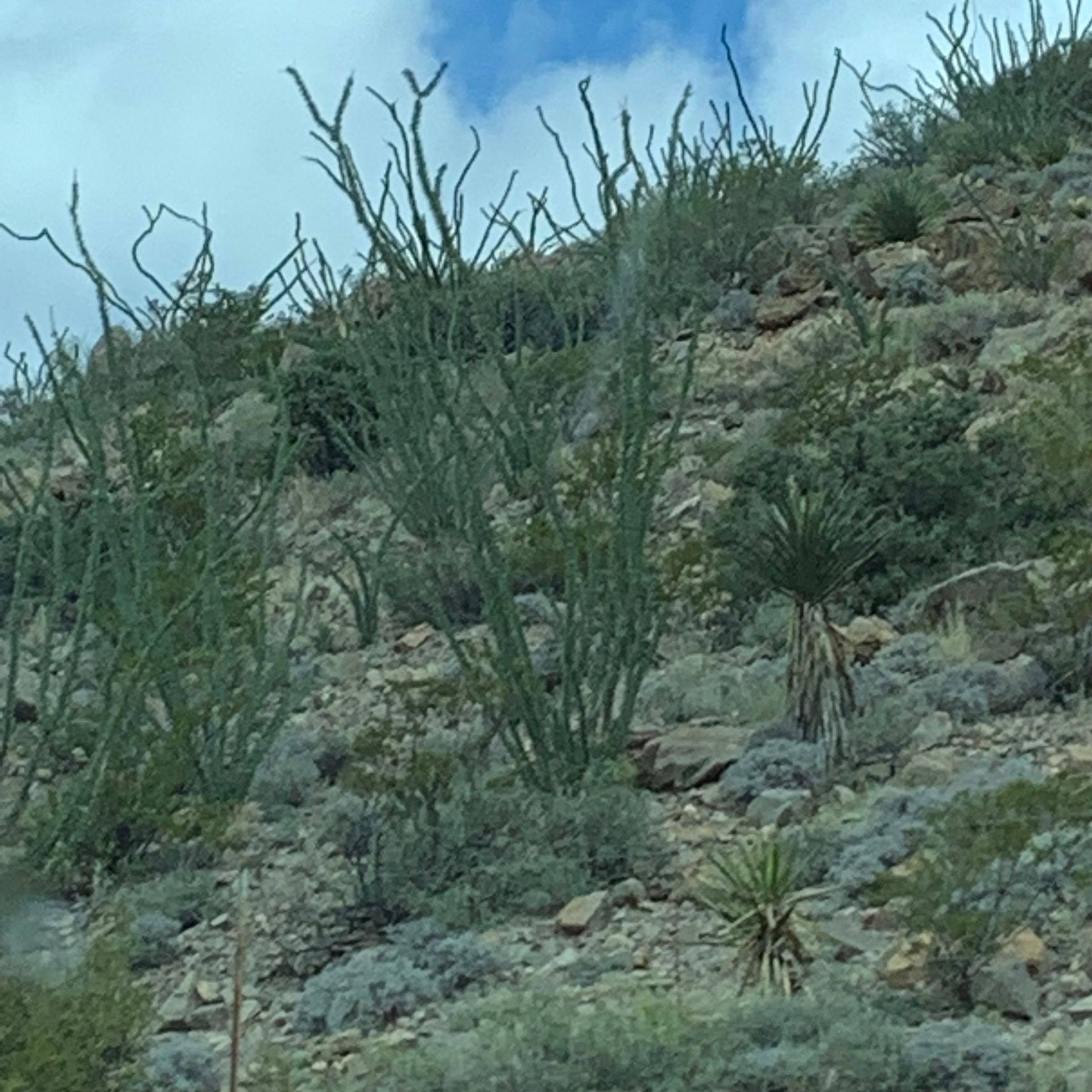
General Information